
NDIS
NDIS Employment Therapy for Aspiring Entrepreneurs
Exploring self-employment? Learn how employment-focused counselling can help you work through disability-related barriers to starting a small business.
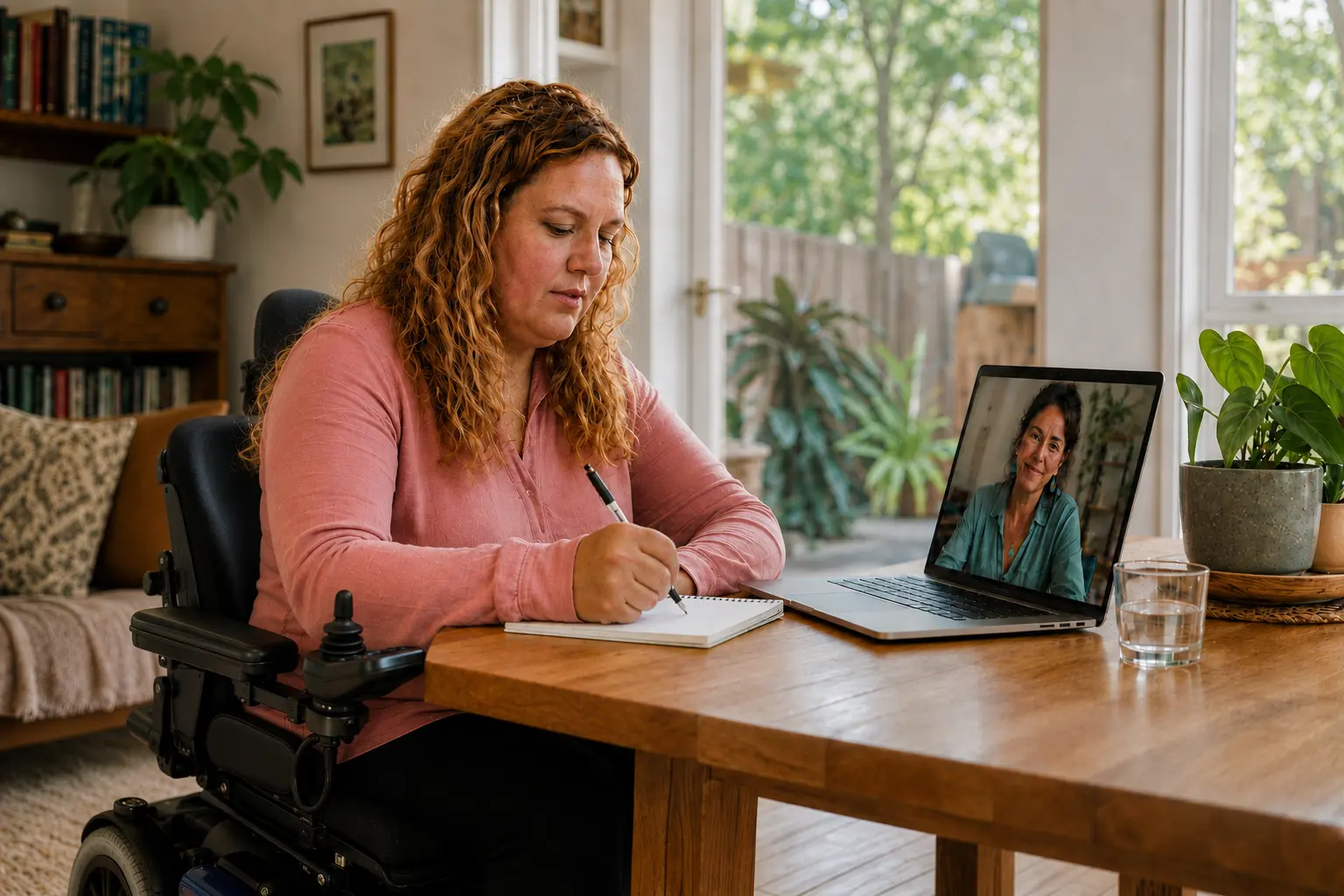
Could self-employment be a way for you to work?
You might have an idea for a small business and wonder how to take the first step when disability affects your energy, mobility, communication or confidence at work. You can start with what you enjoy doing, what gets in the way and what would make a small trial feel manageable.
If your NDIS plan includes Finding and Keeping a Job funding, employment-focused counselling may be one option to explore. The focus is on the disability-related barriers that affect your ability to prepare for, start or sustain work. Your plan and the support being proposed determine whether it can be funded.
What is the current NDIS item called?
Finding and Keeping a Job is a Capacity Building funding category. The current 2026–27 NDIS Pricing Schedule lists Employment Therapy – Other Professional – Direct Service as support item 10_011_0128_5_3. The item sits under Therapeutic Supports (0128). Earlier pricing documents called this item Employment Related Assessment, Counselling and Advice – Other Professional.
If you are considering sessions, check your plan wording with your NDIS contact or support coordinator and ask your plan manager, if you have one, about the proposed claim. The exact support, provider requirements and plan funding should be clear before you book.
What could we work on in employment-focused counselling?
Sessions start with the work you want to do and how your disability affects the tasks involved. You and Tania can choose a practical goal and review what changes as you try things out.
- Practise introducing yourself or explaining your service if disability-related anxiety or communication barriers make customer conversations difficult.
- Break a work task into steps and trial a routine that suits your attention, energy or stamina.
- Work out how to ask for an adjustment or set boundaries around appointments and working hours.
- Explore which work environments and tasks suit your access needs, and what support would make a small trial possible.
What might that look like in practice?
Imagine you want to sell handmade products at a local market. You can make the products at home, but long periods of standing and travel make a full market day difficult. In sessions you might explore a shorter trading window, practise asking the organiser about a seated setup and plan a way to take breaks. After a trial, you can review what worked and decide what to try next.
Stall fees, packaging and stock go in your business budget. The employment support conversation is about the adjustments and skills that would help you participate.
Working with Tania Gorry
Tania Gorry is a counsellor, social scientist and experienced business coach for NDIS providers. She worked in corporate marketing for more than 13 years and has a particular interest in digital media and social media.
At Whole Warrior Solutions, Tania provides Employment Therapy as an Other Professional for aspiring entrepreneurs, within her professional scope and where the service fits the participant’s plan. Her business experience helps her understand what running a small business asks of you. In Employment Therapy, she uses that understanding to help you work on the disability-related barriers affecting your work goals.
Whole Warrior Solutions is a non-registered NDIS provider. Enquiries are welcome from self-managed and plan-managed participants. Tania can discuss what you want to work towards and whether the proposed support is a fit before you make a service agreement.
Frequently asked questions
Can I ask about Employment Therapy before I have a business idea? Yes. You can start by talking about the kind of work you are interested in, your strengths and what gets in the way. The fit and funding of any sessions are checked individually.
What makes employment-focused counselling relevant to my plan? It has a clear connection to your disability and what you want to be able to do at work. For example, you might practise handling a customer enquiry independently or trial a work routine that you can sustain. General mental health treatment is accessed through the health system.
Can I use NDIS funding for a website, marketing or business coaching? Ordinary startup costs and general business development are separate. The Australian Government’s Self-Employment Assistance program offers business planning, training and coaching to eligible people.
What could I say when I enquire? Try ‘I’m exploring self-employment. My work goal is ____. My disability affects ____. I’d like support to practise or work out ____.’ You can keep the first enquiry brief.
Sources
- NDIS Pricing Schedule 2026–27, Appendix 4 (effective 24 September 2026) ↗
- NDIS Pricing Arrangements and Price Limits 2025–26, version 1.1 ↗
- NDIS — What are capacity building supports? ↗
- NDIS — Guide to employment ↗
- NDIS — What are therapy supports? ↗
- NDIS — Supports that are not NDIS supports ↗
- Department of Employment and Workplace Relations — Self-Employment Assistance ↗